

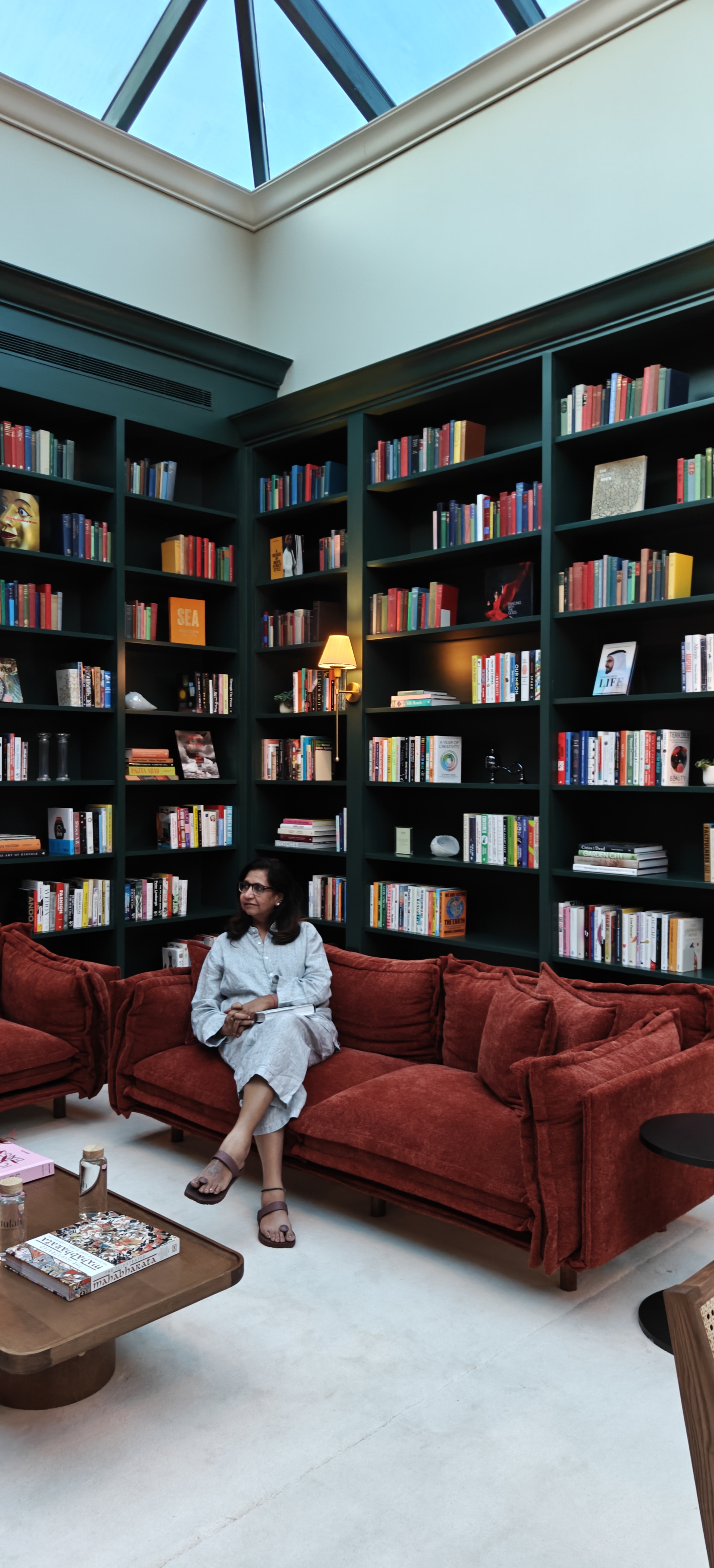
Some wellness destinations leave an impression through their setting and hospitality, while others stand out for the thought that goes into every aspect of the guest experience. My visit to Tulah Clinical Wellness Sanctuary in Northern Kerala introduced me to a distinctive interpretation of luxury wellness, one that brings clinical expertise, Ayurvedic traditions, personalized nutrition, and restorative therapies together in a carefully considered setting. Spread across 30 acres, Tulah offers a distinctive proposition where luxury and clinical wellness complement one another. Its facilities include diagnostic services, pathology laboratories, an operation theatre and a dedicated dental studio for dental care and aesthetics, alongside an extensive range of wellness therapies. The philosophy extends beyond relaxation, with treatment and dietary recommendations informed by an individual's body composition and Ayurvedic Prakriti (natural constitution) and Vikriti (current state of imbalance). This integrated approach makes Tulah particularly interesting for travelers considering a longer wellness stay, whether their objectives include detoxification, lifestyle refinement, healthy ageing, or greater attention to women's wellbeing. Rather than approaching wellness as a short escape, the experience encourages guests to devote time to understanding their individual needs within a structured, personalized setting. Personalized Care Beyond the Treatment Room My own experience offered a glimpse into how traditional therapies form part of the wider wellness journey. I underwent a 65-minute Abhyanga , an Ayurvedic oil massage performed by two therapists using long, rhythmic strokes, followed by a steam bath. The treatment provided a restorative pause within the day and reflected the place traditional therapies occupy in Tulah's broader offering. What stood out even more, however, was the attentiveness of the team beyond the scheduled wellness programme. When I unexpectedly developed swelling in my gums, I visited the dental studio. The dentist was attentive and helpful, assisting me with the issue ahead of my long flight home the following day. For a luxury wellness consultant, this is an important distinction. Exceptional hospitality is not defined solely by what has been planned, but also by how a property responds when something unexpected arises. Having access to appropriate professional support within the destination and a team willing to assist promptly, added considerable reassurance to the experience. A Culinary Experience Rooted in Wellness Nutrition is central to Tulah's philosophy, and the culinary experience begins with understanding the individual rather than simply presenting a menu. On arrival, the executive chef personally welcomed us and offered a tour of the kitchen. We sampled a small portion of a fermented probiotic drink, introduced as part of the property's focus on gut health, and visited both the kitchen garden and poultry farm. The emphasis on locally sourced ingredients and on-site cultivation provided an interesting insight into the journey from farm to table. Equally impressive was the service – the team explained the ingredients in each dish, its calorie content and its suitability in relation to individual dietary recommendations. Personalized food guidance added another dimension, connecting the dining experience with the guest's wider wellness objectives. Spaces for Reflection and Quiet Indulgence Among the spaces that left a lasting impression on me was the library lounge. Beautifully suited to reading, reflection, and quiet downtime, it offers a welcome contrast to the structured rhythm of clinical assessments and therapeutic sessions. Its collection includes rare and limited-edition books, making it particularly appealing to guests who appreciate literature and the pleasure of discovering a quiet corner in which to unwind. The property also features a large amphitheater with a curated movie collection, offering another option for relaxation between scheduled activities. These spaces may seem like smaller details within a destination with extensive medical and wellness infrastructure, but they contribute meaningfully to the overall experience. A well-designed wellness retreat should offer guests not only treatments and consultations, but also the freedom to slow down without an agenda. For those arriving by private helicopter, Tulah also has a dedicated helipad, adding a further layer of convenience for guests seeking a more discreet and seamless arrival. Conscious Luxury and a Sense of Responsibility Beyond the guest experience, Tulah's sustainability and community initiatives add another dimension to its positioning. The retreat uses solar energy and has water-conservation measures in place, reflecting an emphasis on responsible resource management. Its commitment to the surrounding community includes supporting a local hospital and employing local team members. The reported guest-to-team ratio of 1:6 further reflects the importance placed on attentive service and individual care. In a destination where each guest may have different dietary needs, treatment preferences, and wellness objectives, this level of staffing can help create a more responsive and personalized experience. These initiatives are worth recognizing because the meaning of luxury is changing. For many travelers, thoughtful service and privacy remain essential, but there is also growing appreciation for destinations that consider their environmental footprint and relationship with the local community. Who Should Consider Tulah? From a luxury wellness travel perspective, Tulah is best suited to travelers who want to dedicate meaningful time to their wellbeing rather than fit a series of spa treatments into a short holiday. Its combination of clinical facilities, Ayurvedic therapies, personalized nutrition and restorative spaces makes it particularly relevant to guests exploring structured wellness programmes and healthy-living goals. A longer stay may allow greater time for appropriate assessments, individual consultations, and a considered programme of therapies and lifestyle recommendations. The duration and suitability of any programme depends on the guest's needs and the guidance of the clinical team. Ultimately, what distinguishes Tulah is the way it brings together clinical capability, traditional wellness practices, and attentive luxury hospitality. My most memorable moments were not limited to the treatment room; they included the reassuring response of the dental team, the thoughtfulness behind the culinary experience and the quiet pleasure of spending time in the library. For travelers seeking a more personalized approach to luxury wellness, Tulah offers an experience in which the details matter as much as the facilities. It is this combination of professional support, thoughtful hospitality and space for personal restoration that gives the destination its distinctive appeal.
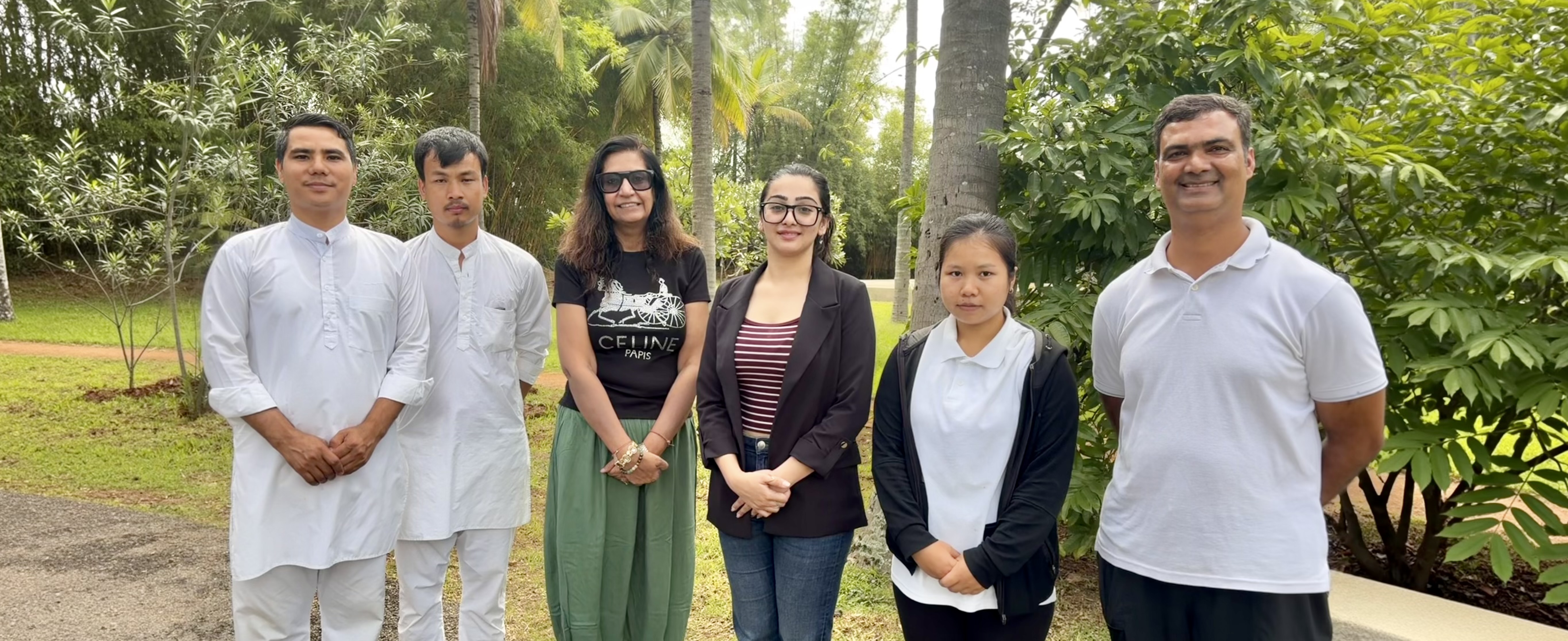
In the evolving world of luxury wellness travel, Shreyas Retreat in Bengaluru offers a perspective shaped by traditional healing, individualized care, and a close connection with nature. Rather than focusing solely on spa therapies or relaxation, the retreat brings together Ayurveda, naturopathy, Panchakarma and Traditional Chinese Medicine within a setting that encourages guests to take a more considered approach to their wellbeing. During my time at Shreyas Retreat what stood out to me was its approach to wellness as a more considered, individual journey. Surrounded by landscaped gardens and an organic vegetable patch, the retreat creates a calm environment for guests to step away from everyday demands and focus on their health. What makes the experience distinctive is the emphasis on understanding individual needs and incorporating therapeutic practices, movement, and nutrition into a more structured wellness journey. I found the setting particularly favorable to this experience. The organic vegetable garden, lush greenery, and quiet surroundings create a sense of separation from everyday demands. With 15 rooms, including 8 cottage-style accommodations and 20 treatment rooms, the retreat offers an intimate setting where therapeutic care, movement, and nutrition form part of a broader wellness experience. A Multidisciplinary Approach to Personalized Care One aspect I found noteworthy was the emphasis on understanding each guest before recommending a programme. The wellness journey begins with consultations with Ayurvedic and naturopathy doctors, followed by a case discussion involving 6 senior doctors. This process helps shape recommendations around the guest’s health history, individual needs, and wellness goals. From my perspective, this emphasis on individual assessment is particularly important for travelers seeking more than a conventional spa retreat. Shreyas brings together different healing traditions within a structured approach to wellbeing, including support for lifestyle-related and metabolic health concerns. For guests living with autoimmune or other complex medical conditions, it is important that complementary wellness practices are coordinated with their treating physicians and do not replace evidence-based medical care Traditional Therapies and Personal Experience My own treatment experience offered a closer look at the retreat’s therapeutic approach. I experienced a synchronized Abhyanga massage , followed by foot reflexology and a steam bath. The combination felt deeply relaxing and gave me an opportunity to appreciate the role that traditional therapies can play in a restorative wellness experience. Beyond these treatments, the retreat offers practices that include Panchakarma, naturopathy, acupuncture, and relaxation therapies . What I would emphasize to prospective guests is that these treatments are not necessarily suitable for everyone in the same way. Their selection and intensity should be guided by individual assessment, health history and the advice of qualified practitioners Daily Routines, Movement and Nutrition I also noticed how the daily schedule brings structure to the wellness experience. Morning naturopathy treatments may take place before breakfast, while therapeutic yoga is incorporated into the evening routine. For guests who prefer to remain physically active, the retreat also offers aerial yoga and gym facilities. Nutrition and the surrounding environment form another part of the experience. The retreat grows vegetables in its organic garden, alongside coconut and palm trees, reflecting an emphasis on fresh produce and nature-led living. The property also prepares medicines in-house, with prescriptions and guidance provided at discharge to support continuity beyond the stay. This combination of treatment, movement, nutrition, and daily routine places lifestyle practices alongside the retreat's therapeutic offerings, rather than treating them as separate elements of wellness. Recovery Beyond the Treatment Room For me, a wellness retreat should offer space not only for treatments but also for rest, movement and moments of leisure. At Shreyas, facilities such as the swimming pool, gymnasium, cricket nets, and home theatre provide alternatives between scheduled therapies. These additions help create a more rejuvenating stay, particularly for guests who prefer to balance structured wellness activities with time to unwind. I see this combination of therapeutic routines, physical activity and quieter moments in nature as an important part of the retreat’s overall appeal. The experience is not limited to the treatment room; it extends into how guests spend their day and engage with their surroundings. Who Should Consider Shreyas Retreat? Based on my experience, Shreyas Retreat is a good fit for discerning travelers who are interested in an integrative approach to wellbeing and value the opportunity to explore traditional therapies within a structured, personalized setting. It is particularly worth considering for those who prefer a quiet environment, individual consultations and a daily rhythm that combines therapeutic treatments, movement, and mindful nutrition. I would recommend it to guests who are willing to engage actively with their wellness programme rather than view the stay as a conventional luxury holiday. Those seeking support with lifestyle changes or ongoing wellbeing may appreciate its multidisciplinary approach, while anyone managing a complex medical condition should consult their treating physician before booking and ensure that any retreat programme complements, rather than replaces, their established care. Ultimately, I see Shreyas Retreat as an option for travelers who want to dedicate time to their wellbeing in a peaceful setting, with a focus on personalized attention and a more integrated view of health.
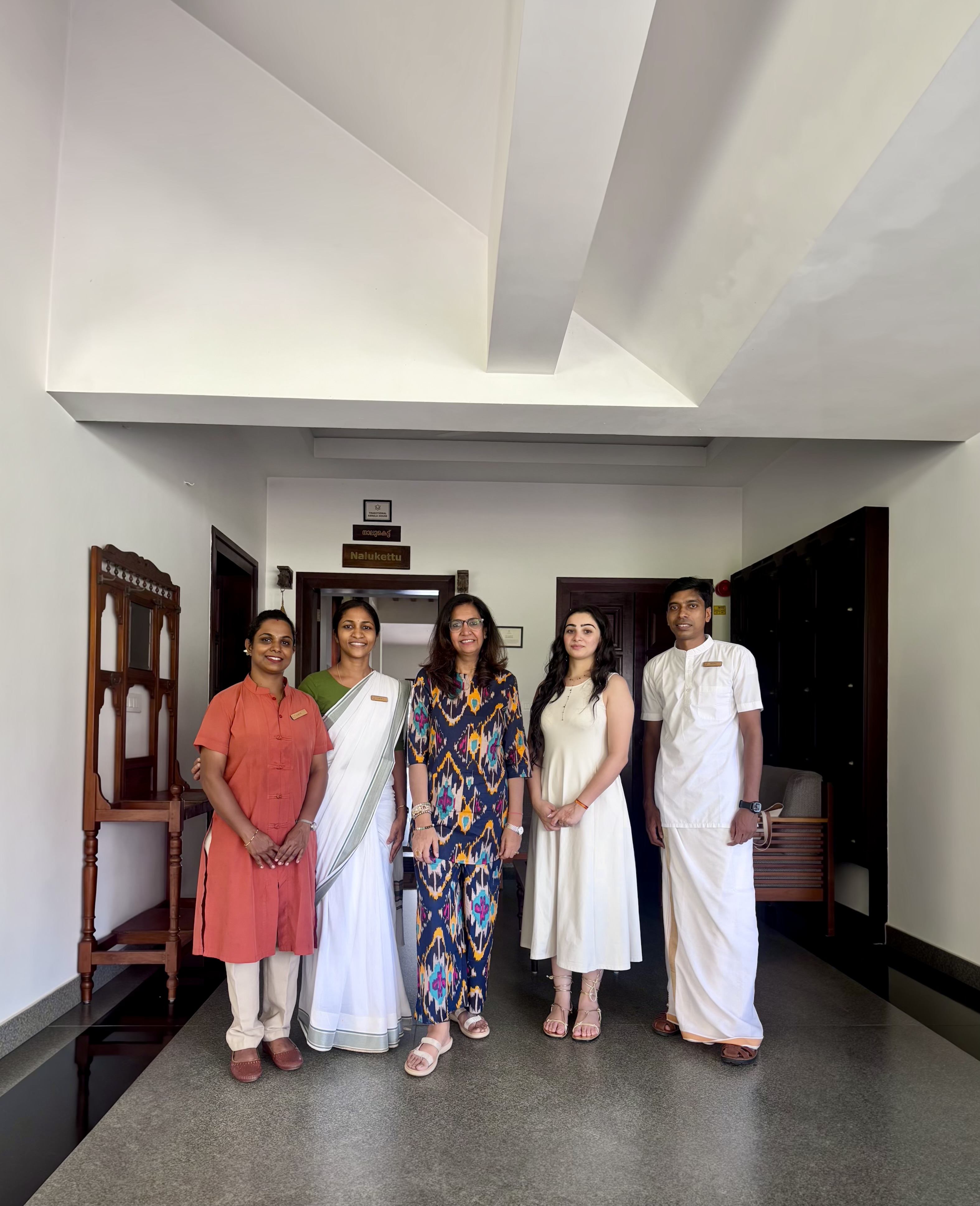
Set in the tranquil surroundings of Alleppey, Kerala, Amal Tamara offers a structured approach to wellness rooted in traditional Ayurveda, individualized care and disciplined daily living. During my visit, what stood out was the property's commitment to creating an environment where every aspect of a guest's stay – from food and therapies to daily routines is aligned with their individual health needs. Rather than positioning wellness as a temporary escape, Amal Tamara encourages a more focused engagement with health through doctor-led programmes and traditional healing practices. A Sanctuary Built Around Healing One of the first things I noticed was the level of coordination behind the guest experience. Amal Tamara operates across 2 buildings, with approximately 80 staff members supporting its wellness and hospitality operations. Its facilities include 8 treatment rooms, a team of five doctors – one specializing in naturopathy and 4 in Ayurveda and 15 therapists who deliver prescribed treatments. Accommodation is offered across three categories: Aastha, Ekta, and Idha. For me, the significance lies not simply in the facilities or the size of the team, but in how the different roles come together to support a guest's stay. Doctors, therapists, nurses, and hospitality staff each contribute to an experience designed around individual requirements, helping create a more coordinated approach to wellness. Ayurveda at the Core of the Experience What I found interesting about Amal Tamara's philosophy is its emphasis on individual constitution and changing health needs. Ayurvedic concepts such as Prakriti, referring to an individual's constitution; Vikriti, referring to the present state of imbalance and Ritucharya, the observance of seasonal routines, inform its approach to treatment planning, food, and daily practices. Rather than applying an identical schedule to every guest, the retreat aims to tailor its recommendations to the individual. I see this as an important consideration for travelers exploring Ayurveda, particularly those who value consultation and personalized guidance as part of their wellness experience. An example is the retreat's Diabetes Management Programme , developed in collaboration with Ultrahuman's continuous glucose monitoring technology. Continuous glucose monitoring can provide insights into glucose patterns and how they vary alongside meals, physical activity, sleep, and stress. In a clinically supervised setting, these observations may help inform discussions around lifestyle and dietary habits. I would, however, view this technology as a complement to appropriate medical assessment and diabetes management, rather than a replacement for either. Traditional Formulations and Condition-Specific Programmes Amal Tamara has an in-house laboratory for preparing Ayurvedic oils and medicines, including GMP-certified formulations, supporting its use of traditional preparations within prescribed treatment programmes. Its specialized offerings address a range of health concerns, including musculoskeletal conditions and neurological symptoms. Programmes include Greevagraham, associated with cervical spondylosis and neck-related discomfort; Kateegraham, focused on lower-back conditions such as lumbar spondylosis and sacroiliitis; and Kampavatam, designed to provide complementary Ayurvedic care for people experiencing symptoms associated with Parkinson's disease. Depending on the programme, care may incorporate Ayurvedic therapies, herbal formulations, Marma techniques, Panchakarma and therapeutic exercises. Such interventions should be guided by an appropriate clinical assessment, with their suitability considered alongside conventional medical care. In conditions such as Parkinson's disease, they should be understood as complementary approaches rather than substitutes for established treatment. The retreat also offers programmes for concerns such as autoimmune conditions and infertility, for which individual assessment and appropriate specialist care remain essential. Guests receive a minimum of 90 minutes of treatment daily, with the schedule determined by their individual programme. I see this dedicated treatment time as one of the defining features of the experience: the stay is designed around a structured wellness routine rather than an occasional spa treatment. A Structured Stay Designed for Transformation Amal Tamara recommends a minimum stay of 7 nights, with programmes extending to 14, 21, or 28 nights according to individual requirements and the prescribed treatment plan. The longer format allows time for guests to settle into a consistent routine of therapies, nutrition, rest, and mind-body practices. The retreat also limits outside leisure excursions during treatment programmes, seeking to minimize disruptions to the daily schedule and maintain continuity. For guests accustomed to conventional leisure holidays, this represents a different way of travelling: the focus shifts from sightseeing and activities to dedicating time and attention to personal wellbeing. Daily Living as Part of the Treatment Philosophy The daily routine at Amal Tamara reflects its emphasis on consistency. The day begins at 6:00 AM with a morning ritual, followed by prescribed medication administered by a nurse, morning yoga, personalized meals and scheduled therapeutic sessions. Evenings incorporate meditation, a further ritual, dinner and time for rest. Food is tailored to individual health considerations and Ayurvedic constitution, while therapies and mind-body practices are incorporated into the wider daily schedule. From a clinical perspective, this coordinated routine highlights the importance the retreat places on the relationship between treatment, nutrition, movement, and rest. Its value lies in providing a structured environment in which these elements can be considered together. Beyond the Stay: The Amal Yatri Community One feature I particularly value in a wellness retreat is the attention given to guests after departure. At Amal Tamara, guests are known as Amal Yatris and receive 5 complimentary follow-up consultations, alongside continued access to doctors for advice and guidance in accordance with the retreat's follow-up arrangements. I consider this an important part of the overall experience. A wellness stay can introduce new routines and recommendations, but incorporating them into everyday life often requires ongoing reflection and support. Follow-up consultations provide an opportunity to discuss questions, review progress, and seek further guidance where appropriate. A More Purposeful Approach to Wellness Travel My visit to Amal Tamara offered a glimpse into a model of wellness hospitality – from dosha-informed meals and doctor-led treatment plans to an environment designed to minimize outside distractions, the At Amal Tamara, the journey is not simply about stepping away from everyday life. It is about creating the space, structure and support to approach health more intentionally and carrying that awareness forward long after the stay has ended. Who Is Amal Tamara Best Suited For? Based on my understanding of its approach, Amal Tamara is best suited to travelers who want a structured, Ayurveda-led wellness experience and are prepared to dedicate at least a week to therapies, personalized meals, rest, and daily routines. It may particularly appeal to those seeking a quieter environment in which to focus on their wellbeing, explore traditional healing practices, and receive individual guidance rather than follow a generic wellness schedule. I would recommend it to guests who are open to a disciplined approach and understand that meaningful lifestyle changes require time, consistency, and realistic expectations. Those managing ongoing medical conditions should discuss their plans with their treating physician and ensure that any retreat programme complements their established care. For travelers hoping for a complete reset from the pace of everyday life, Amal Tamara offers an opportunity to pause and focus on personal wellbeing. I would approach it not as a promise of disease reversal, but as a setting in which traditional therapies, attentive guidance, and structured daily living can form part of a more considered approach to health.
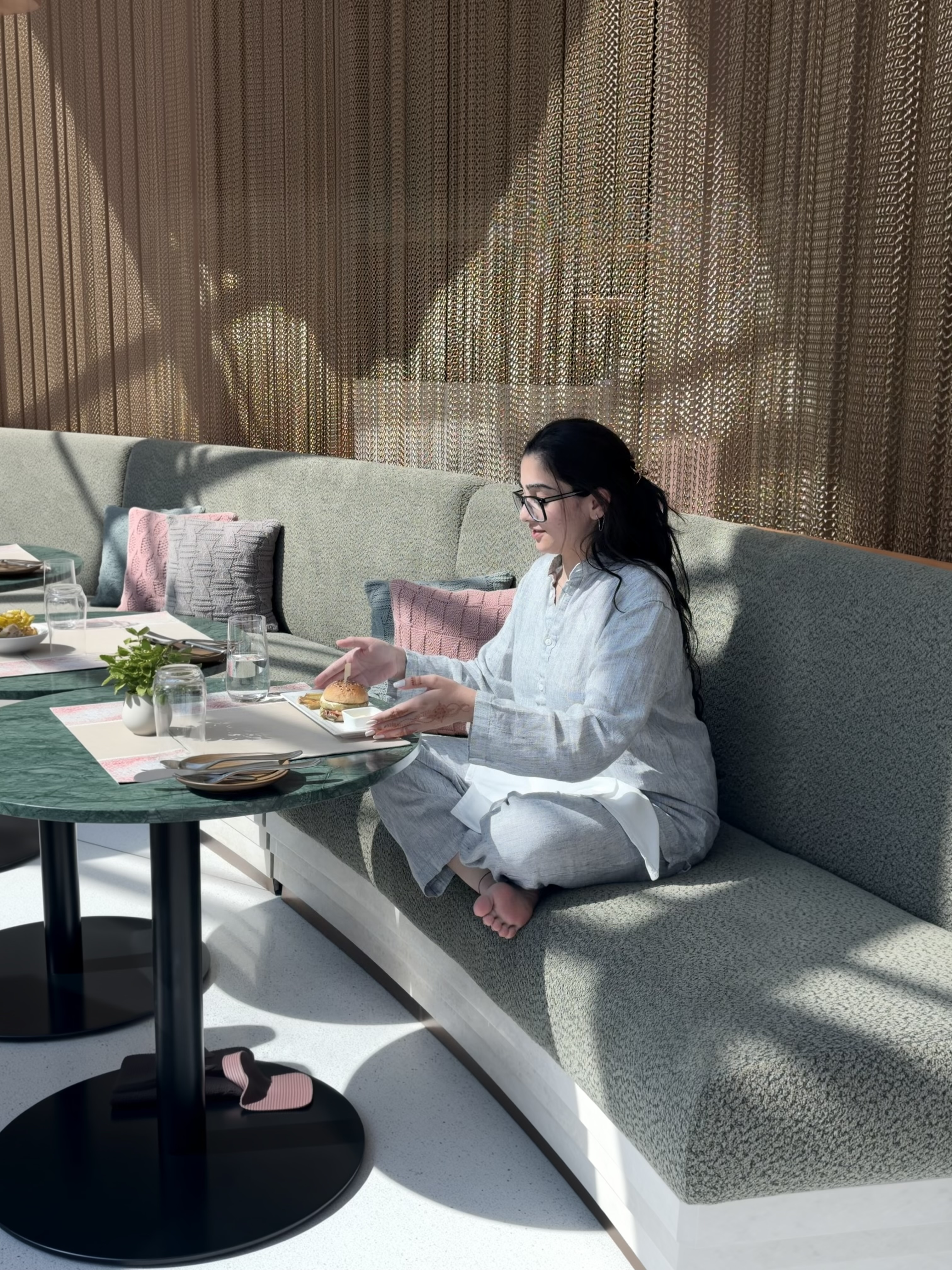
My recent visit to the Tulah Clinical Wellness Sanctuary in Northern Kerala, was quite an eye opener for me too. Very different from almost all other Wellness focussed resorts in India, Tulah brings together modern medical science, traditional healing wisdom, movement, nutrition, and restorative experiences within an ultra-luxury wellness sanctuary. There are wellness destinations that offer an escape, and then there are those that invite you to rethink your relationship with health, longevity, and quality of life. What sets Tulah apart is its holistic approach to wellness, combining restorative experiences with a more personalised understanding of health and wellbeing. Set across 30 acres, the property features 35 suites, 14 therapy areas, two restaurants, and a dedicated Sonorium for sound healing. Its design also reflects a commitment to sustainability, incorporating LEED- and WELL-aligned principles, renewable water systems, and energy-efficient cooling. Here, luxury is expressed as much through conscious design and personalised care as through comfort and hospitality. A Personalised Approach to Health At the heart of Tulah lies a clinical framework that considers multiple dimensions of wellbeing, including cardiovascular and muscle health, immunity, inflammation, gut health, stress, and lifestyle-related risks. Its diagnostic capabilities range from cardiovascular investigations and advanced imaging to bone-density assessments, sleep studies, and emerging biological-age and fitness assessments. These insights are reviewed by a multidisciplinary team of medical doctors, Ayurvedic practitioners, functional medicine specialists, clinical psychologists, naturopathy doctors, nutritionists, trainers, and yoga experts. The goal is to gain a deeper understanding of each guest’s health and use these insights to guide tailored wellness recommendations. Guests can choose between two pathways – the Wellness Package, focused on restoration and lifestyle enhancement, and the Clinical Package, which places greater emphasis on medical assessments and clinically guided interventions. Advanced Therapies and Holistic Recovery Tulah’s therapeutic offering spans advanced interventions such as hyperbaric oxygen therapy, photobiomodulation, platelet-rich plasma procedures, and intravenous nutrient therapies, alongside recovery modalities including whole-body cryotherapy, anti-gravity treadmills, and aquatic therapy. Movement is equally central to the experience, with yoga, pilates, personal training, functional fitness, and aquatic practices complemented by activities such as tennis, padel, cycling, golf, and kayaking. Together, these offerings create opportunities to explore physical performance, mobility, and recovery within a personalised wellness programme. The suitability and potential benefits of individual interventions depend on clinical assessment, with evidence varying across therapies. The Art of Slowing Down Among Tulah's many facilities, the Sonorium remains particularly memorable. Dedicated to sound healing, it offers a tranquil retreat from the pace of everyday life. Our sound therapy session was deeply relaxing, as was the Tibetan massage. Both offered a welcome opportunity to step away from the pace of everyday life and reconnect with a sense of calm. While these experiences occupy a different space from clinical assessment, they are an important part of the broader wellness journey, creating room for rest, sensory engagement, and personal reflection. The warmth of the hosts and attentiveness of the staff added a personal dimension to the experience, making the journey feel reassuring rather than clinical. The culinary programme was another highlight, with excellent food quality, carefully managed portions, and attention to individual nutritional requirements. These thoughtful touches enrich the overall experience, creating a balance between nourishment, comfort, and mindful living. A More Considered Vision of Luxury Wellness Tulah lends itself to a longer stay, particularly for those seeking time to understand their health and engage more meaningfully with their wellbeing. A fourteen-day programme, for instance, could allow guests to undertake appropriate assessments, explore selected therapies, and develop lifestyle practices suited to their individual needs. What makes Tulah distinctive is its ambition to unite medical science, traditional healing, advanced therapies, and thoughtful hospitality within one cohesive destination. It reflects an evolving vision of luxury wellness travel, where the experience extends beyond indulgence to embrace prevention, personalisation, and a more considered approach to everyday health. Ultimately, the value of a wellness journey lies not simply in the treatments undertaken, but in what one carries home. At Tulah, the opportunity is to return not only rested, but with a renewed perspective on health and a greater intention to live well. Dr. Anjali Varshney – Head Wellness Concierge
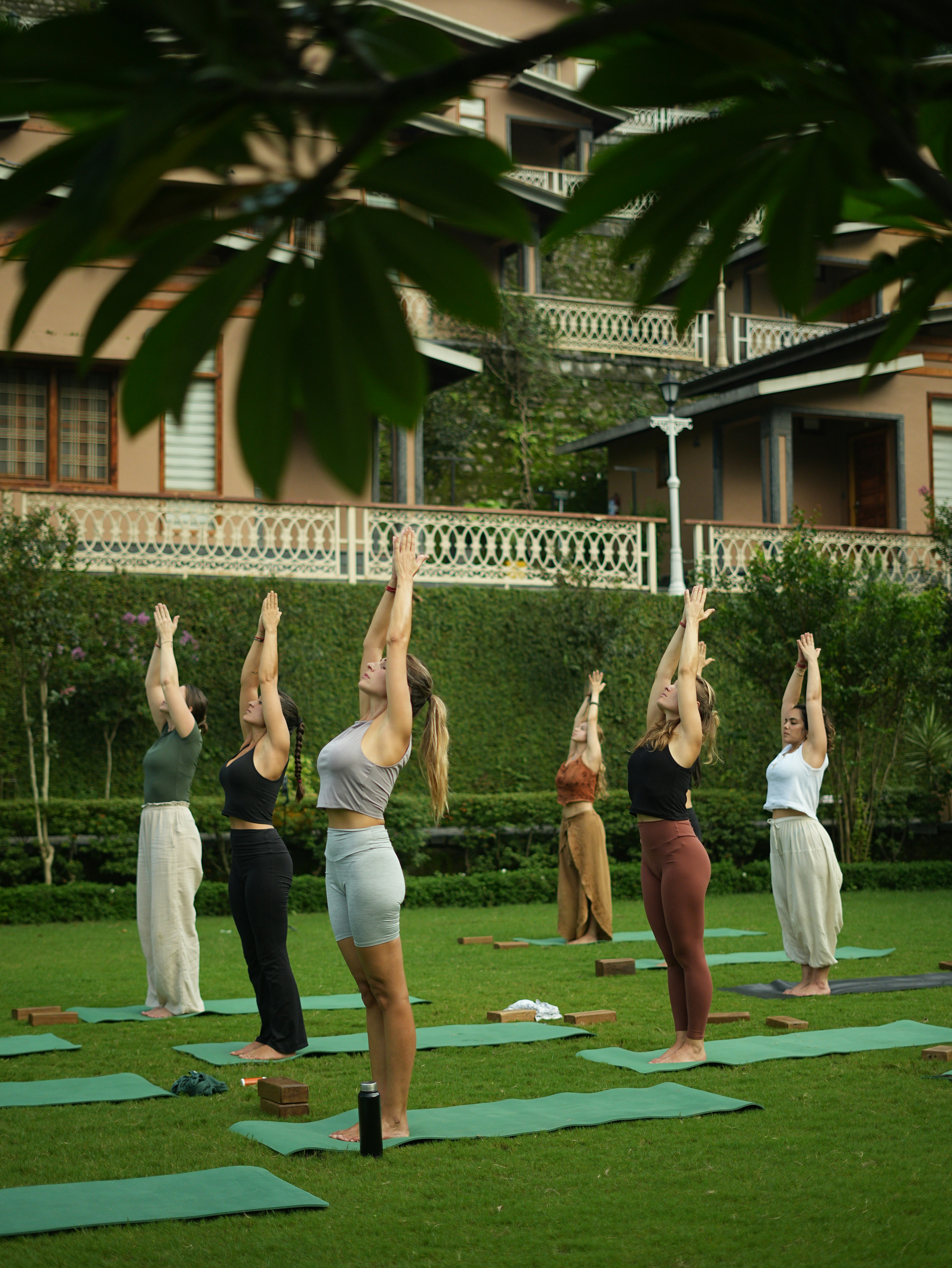
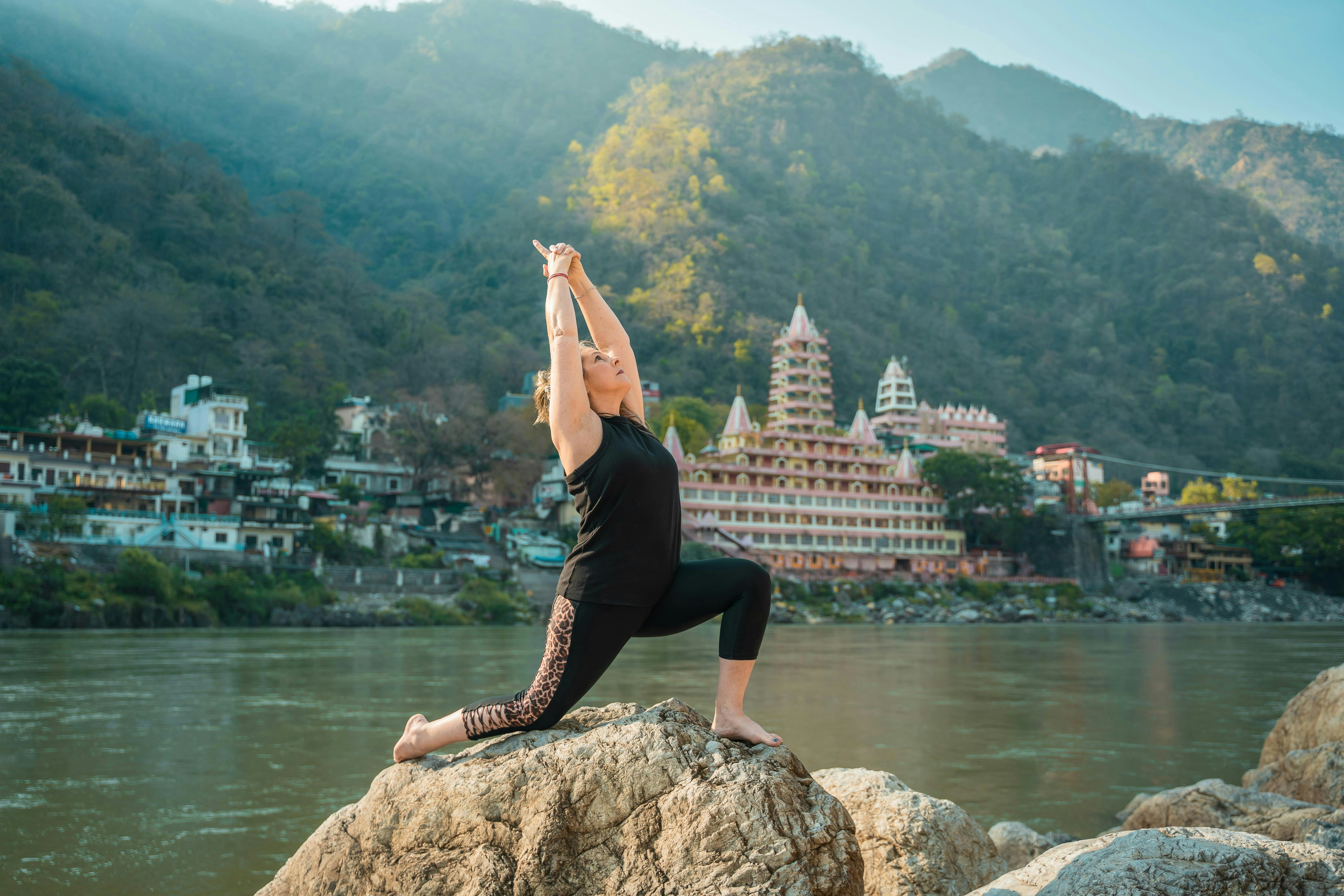
A journey to India can be more than a holiday. For many travelers, it can be an opportunity to discover yoga at its roots and experience the practice in a deeper, more meaningful way. India offers an opportunity to experience yoga in the land where its traditions have passed down for thousands of years. Here, yoga becomes a way to slow down, reconnect with yourself and understand the deeper meaning behind the practice. The Origins and Evolution of Yoga The word yoga comes from the Sanskrit root ‘Yuj’, meaning ‘to join’ or ‘to unite’. It reflects the traditional idea of bringing the mind, body and spirit into greater harmony. Yoga has its roots in ancient India and is believed to have developed 5000 years ago. The earliest teachings can be traced to the Vedas, while later texts such as the Upanishads, Bhagavad Gita and Patanjali’s Yoga Sutras helped shaped its philosophy and practice. Over time, yoga evolved into different traditions and schools including Hatha, Ashtanga, Iyengar, Vinyasa and Kundalini. While these approaches may differ, they share the underlying idea of bringing greater harmony to the body, mind and the inner self. Yoga is More Than Physical Postures For me, yoga becomes truly meaningful when I look beyond the physical postures. Asana helps prepare and strengthen the body, while pranayama brings awareness to the breath. Mindfulness encourages me to my thoughts and sensations without judgement and meditation creates space for stillness and deeper self-awareness. Together, these practices form a more complete yoga experience. The aim is not simply to become more flexible or master a difficult posture, but to develop greater awareness, balance and a sense of inner calm. Why Practice Yoga in India Practicing yoga in India can feel different because the practice is closely connected to the country’s spiritual and cultural traditions. Instead of being viewed only as exercise, yoga is often experienced as a way of living and understanding oneself. I can practice alongside experienced teachers, explore traditional teachings, experience meditation and discover how yoga connects with Ayurveda, mindful living and nature. The surroundings themselves can become the part of the experience – from the sound of the temple bells and Sanskrit chants to quiet moments surrounded by greenery. Rishikesh and the Himalayan Connection Rishikesh is one of the world’s best-known destinations for yoga and meditation. Famously called as the ‘Yoga Capital of the World’, it is set along the sacred Ganges and surrounded by the foothills of the Himalayas. It has attracted spiritual seekers and yoga practitioners for generations. Today, I can find everything from traditional Hatha and Ashtanga practices to meditation programmes and residential retreats. Rishikesh became internationally famous after The Beatles visited Maharishi Mahesh Yogi’s ashram in 1968, further drawing global attention to its spiritual traditions. Yoga in Nature One of the things I value most about practicing yoga in India is the opportunity to take the practice outdoors. I can practice by the sea, surrounded by the greenery or in the peaceful landscapes of the mountains. Being close to the nature creates a natural sense of quiet and allows me to step away from the distractions of everyday life. Whether I choose a traditional ashram or a more comfortable wellness retreat, the setting can make the experience feel more immersive. Finding the Right Yoga Experience India offers a wide range of yoga experiences. I can choose an intensive yoga course, a relaxed retreat combining yoga and Ayurveda, a meditation-focused programme or simply a few guided sessions during my travels. The experience can also be adapted to my level. Beginners can learn the foundations at their own pace while experienced practitioners can deepen their understanding of asana, pranayama, meditation and yogic philosophy. What to Expect from a Yoga retreat in India A typical yoga retreat may begin with an early morning practice, followed by meditation, a nourishing breakfast and wellness activities or treatments. The day may include another yoga or meditation session, time for reflection, nature walks or simply some quiet time. Rather than filling every moment with activities, many retreats encourage you to slow down and become more mindful of how you eat, breathe, move and rest. This creates space to focus not only on your physical wellbeing but also on your physical wellbeing but also on your mental and emotional balance. Begin Your Yoga Journey in India Yoga in India gives you the chance to experience the practice beyond the postures – to explore its history, philosophy and connection with mindful living. Sometimes, the most meaningful part of yoga is not how far you can stretch but how deeply you can connect with yourself. Whether you are stepping into a yoga mat for the first time or looking to deepen an established practice, India offers a setting for every journey.

India’s wellness landscape is as diverse as the country itself. Hence, wellness is not limited to spa treatments or luxury retreats. It can mean practicing yoga beside the Ganges, beginning the day with meditation in the Himalayas, experiencing Ayurveda in Kerala, walking through a quiet forest, drifting along palm-fringed backwaters or simply slowing down in a historic Rajasthani town. This is what makes choosing a wellness destination in India both exciting and sometimes overwhelming. The right destination depends less on where you want to go and more on what you want to experience. Are you looking for spiritual renewal? Traditional Ayurveda? Time beside the sea? Solitude in nature? A slower pace of life? Cultural immersion combined with wellness? This guide helps you finding your match. Start Here. What Kind of Wellness Experience Do You Want? Think of India’s wellness destinations through six simple landscapes – mountains, coasts, backwaters, spirituality, heritage and forests. Each offers a different way to disconnect from everyday routines and reconnect with yourself. For Spiritual Wellness: Rishikesh and the Himalayas Set on the banks of Ganges at the foothills of the Himalayas, Rishikesh has long attracted travelers seeking yoga, meditation and spiritual experiences. The destination offers everything from introductory yoga sessions to immersive retreats and ashram stays. But the appeal goes beyond structured wellness programmes. Early-morning walks along the river, the sounds of temple bells and prayer chants, quiet moments beyond the Ganges and the surrounding Himalayan landscape can become part of the experience itself. For travelers who want to combine spirituality with nature, the wider Himalayan region offers even more possibilities. Uttarakhand and neighboring Himalayan destinations provide opportunities to step away from busy city life and spend meaningful life in mountain environments. Best for: Yoga, meditation, spiritual exploration, mindful travel and reconnecting with yourself. Choose this: You want your wellness journey to feel transformative rather than simply relaxing. For Ayurveda: Kerala and South India For travelers interested in traditional Indian wellness practices, Kerala deserves a place at the top of the list. Kerala has built a strong reputation around Ayurveda, with Ayurvedic centres and retreats across the state. The experience can range from therapeutic treatments and personalized programmes to yoga, meditation, nourishing cuisine and longer wellness stays. Kerala Tourism also maintains information on approved and classified Ayurveda centres, which can be useful when choosing a retreat. The setting adds another dimension. Kerala brings together tropical landscapes, beaches, hill regions, wildlife and tranquil backwaters, making possible to combine wellness with exploration. Beyond Kerala, South India offers possibilities for travelers interested in yoga, traditional wellness practices and slower, more immersive journeys. Best for: Ayurveda, rejuvenation, yoga, longer wellness retreats and holistic experiences. Choose this if: You want wellness to be an important part of your itinerary rather than a short addition to a holiday. Travel tip: When booking an Ayurvedic retreat, look beyond beautiful photographs. Check the credentials of practitioner, the programme offered, what is included in the stay and whether the centre is appropriately accredited or recognized. For Beachside Relaxation: Goa and Coastal India Sometimes wellness means doing less. If your perfect retreat involves waking up near the sea, enjoying healthy meals, practicing yoga and leaving plenty of time for yourself, India’s coastline offers plenty of possibilities. Goa is particularly suited for traveler who wants to combine beach time with wellness. Alongside its beaches and relaxed atmosphere, the destination has developed a growing ecosystem of yoga retreats, wellness centres and Ayurveda experiences. Goa Tourism currently promotes yoga and Ayurveda as part of the state’ wellness. But Goa is not the only option. Travelers looking for a quieter coastal experience can explore destinations along the Konkan coast, Karnataka’s coastline or parts of Tamil Nadu. Depending on the destination, you can combine beaches with local food, nature, yoga or simply relaxed time away from your daily busy routine. Best for: Rest, yoga, beach walks, relaxation and easy-going wellness. Choose this if: Your idea of feeling better involves sunshine, sea air and an itinerary with plenty of empty space. For Nature and Tranquility: Western Ghats, Forests and Hill Regions For some travelers, the most effective wellness activity is simply being outdoors. India’s Western Ghats are particularly rewarding for this kind of journey. Lush forests, plantations, waterfalls, mountain landscapes and wildlife create an environment where the pace naturally becomes slower. Destinations such as Coorg, Wayanad, Munnar and the Niligiris can work particularly well for nature-focused escapes. Depending on where you stay, a wellness trip can include forest walks, gentle hikes, plantation experiences, yoga, meditation and time surrounded by greenery. The beauty of this approach is that it does not require a tightly structured retreat. Sometimes a quiet morning, a long walk and an afternoon without notifications can be enough. Best for: Nature lovers, digital detoxes, walking, quiet retreats and outdoor relaxation. Choose this if: You feel most restored when you are surrounded by trees rather than treatment menus. For Mindfulness and Reflection: Himalayan Retreats If you are looking for genuine solitude and reflection, go higher up in the north. The Himalayas offer some of India’s most atmospheric settings for stepping away from everyday distractions. Destinations around Dharamshala, McLeod Ganj, Uttarakhand and other Himalayan regions offer opportunities to combine meditation, mindfulness, nature and cultural experiences. These journeys can be particularly meaningful for travelers who want to spend several days away form the usual rhythm of work, social media and constant movement. The experience does not have to be intensely spiritual. You can simply choose a quiet retreat, establish a slower rhythm and allow the mountains to create a space for reflection. Best for: Meditation, reflection, solitude, reding, journaling and digital detox. Choose this if: You are looking for mental space more than entertainment. For Culture and Wellness: Rajasthan and Heritage Destinations Wellness doesn’t necessarily mean retreating from culture. In Rajasthan, you can combine relaxation with architecture, history, local traditions, food and slower cultural exploration. Imagine beginning your morning with yoga, spending the afternoon exploring a historic fort or palace, enjoying a traditional meal and ending the day in a peaceful heritage property. Destinations such as Udaipur, Jodhpur, Jaipur and lesser-known heritage towns can provide this combination of cultural discovery and restorative travel. The key is to resist the temptation to pack everyday with sightseeing. Instead choose a beautiful base, build in plenty of downtime and allow the destination itself to become pat of your wellness experience. Best for: Heritage stays, cultural immersion, mindful exploration and travelers who want variety. Choose this if: You want to return refreshed without giving up your curiosity about India’s history and culture. For a Slower Pace: Kerala Backwaters Few experiences capture the idea of slowing down quite like the Kerala backwaters. Life here follows a different rhythm. Palm-lined waterways, traditional villages, birds, fishing boats and quiet stretches of water create a natural environment for taking things slowly. A houseboat journey or a stay beside the backwaters can be particularly appealing when your primary goal is to disconnect from a busy life. Rather than filling every hour with activities, leave space for reading watching the landscape, enjoying local food and simply observing daily life along the waterways. Kerala Tourism identifies the backwaters as one of the state’s defining attractions, alongside Ayurveda, beaches, hill stations and wildlife. Best for: Slow travel, relaxation, Ayurveda, Naturopathy and digital detox. Choose this if: Your ideal wellness holiday sounds like less rushing and more breathing room. For Something Off the Beaten Path: Northeast India If you want wellness journey to feel genuinely different, look towards Northeast India. The region offers dramatic landscapes, forests, mountains, distinctive cultures and communities, with destinations across states such as Meghalaya, Sikkim, Arunachal Pradesh, Nagaland and Assam. Here, wellness can be less about a formal retreat and more about immersion in landscape and local life. Spend time in the mountains, walk through forests, hike through tea gardens, stay in a thoughtfully chosen homestay or simply experience a part of India that feels far removed from the country’s better-known tourist circuits. For travelers who associate wellness with discovery, solitude and meaningful experiences, the Northeast can be an especially rewarding choice. Best for: Nature, adventure with a slower rhythm, cultural immersion and unconventional escapes. Choose this if: You want your wellness with trip to feel like an adventure as well as a reset. So, Where Should You Go? There is no single ‘best’ wellness destination in India. Instead, there is a destination that is best for you. And you do not necessarily have to choose just one. India’s geography makes it possible to create journeys that combine different forms of wellness, for example, Ayurveda and backwaters in Kerala, spirituality and mountains in Uttarakhand or culture and relaxation in Rajasthan. The most important question is therefore not “Which is India’s best wellness destination?” Plan your wellness journey around you. Wellness travel works best when the destination matches your intention. Your ideal wellness destination depends on what you want to experience – spirituality, rejuvenation, nature, culture, solitude or simply a slower pace of life. Explore our destination guide or speak with our travel specialists to find the wellness experience that best matches your travel style, interest and time in India. Your journey to wellbeing can begin with choosing the right place to pause.
Wellness has become one of the travel trends in the recent years, however, in India this concept of living well is anything but new. Long before terms such as ‘natural healing, mindfulness, holistic living and wellbeing’ became a part of the modern travel vocabulary, India had developed deeply rooted traditions centered around the balance between the body, mind, nature and the self. For thousands of years, practices such as Yoga, Ayurveda, Naturopathy (natural healing and holistic wellness) and Sattvic living (pure living and mindful nourishment) have been intertwined with the everyday lifestyle and spiritual traditions across the country. A wellness journey in India, therefore, is not simply about taking a break from everyday chaos. It is an opportunity to reconnect with the ancient knowledge while surrounded by the landscape that naturally encourages stillness, reflection and renewal. And that is what makes India such a compelling destination for a wellness retreat. And that is what makes India such a compelling destination for a wellness retreat. A 5000-Year-Old Approach to Wellbeing India’s wellness traditions are based on the belief that true health goes beyond the absence of illness . It is about creating harmony between physical health, mental clarity, emotional balance, food, sleep and one’s relationship with nature. Ayurveda, one of the world’s oldest holistic system of health, takes an individual approach to well-being, using traditional therapies, herbal preparations, dietary principles, massages and daily routines to encourage balance. Yoga brings together concentration, breathwork, movement and meditation. Today, yoga is being practiced globally, but experiencing it in the land where it originated, adds a deeper cultural connection to the practice. India’s traditional approach to naturopathy focuses on working with body’s natural processes and maintaining harmony with the environment. Then there is the philosophy of Sattvic living – an approach that places emphasis on natural and wholesome food, mindful habits, moderation and a calm state of mind. Together with meditation and mindfulness practices, it encourages awareness and inner peace. At the heart of these traditions is a holistic approach to wellness – one that sees the body, mind, and connection with nature as inseparable parts of wellbeing. Wellness in the Mountains – The Healing Power of the Himalayas For those seeking silence, reflection and a sense of escape, the Himalayan regions offer an extraordinary setting. Stretching across the northern part of the country, the Himalayas bring together the snow-covered peaks, pine forests, river valleys, mountain villages, monasteries and the crisp mountain air. Places across Uttarakhand, Himachal Pradesh and parts of the north eastern Himalayas provide a natural environment for slowing down. The Himalayas offer a natural setting for yoga, meditation, mindful walks and quiet reflections. Often regarded as one of the spiritual heartlands of yoga, the region has been home to yogis, sages and spiritual masters who have practiced meditation and ascetic traditions for thousands of years. Today, the mountains continue to draw those who seek stillness, self-discovery and a deeper connection with themselves and the nature. For many travelers the appeal of Himalayan wellness retreat is not only the therapies or the activities themselves. It is the feeling of having the space – space to breathe, think, rest and reconnect. Kerala and the South – Where Ayurveda Meets Nature If Ayurveda is an important part of a wellness journey, South India offers an especially rich cultural and geographical setting. Kerala in particular, has long been associated with Ayurvedic traditions and is one of India’s most recognized wellness destinations. But Kerala’s wellness appeal goes far beyond Ayurveda. The state brings together tropical greenery, coconut groves, rivers, beaches, serene backwaters and a slower pace of life. Imagine yourself beginning the day with yoga, following it with a nourishing Ayurvedic inspired meal and a traditional wellness therapy and ending the afternoon beside a peaceful backwater or overlooking the Arabian Sea. Here, wellness naturally becomes part of the travel experience rather than something separate from it. Kerala is home to some of India’s oldest and most popular Wellness Retreats including the Kairali - The Ayurvedic Healing Village, Somatheeram , Tulah Clinical Wellness Sanctuary, Kalari Kovilakom, Kalari Rasayana, Prakriti Shakti, and a host of other well established wellness resorts. Beyond Kerala, other parts of South India also offer opportunities to experience Ayurveda, yoga, traditional healing practices, spirituality and wholesome cuisine with distinctive cultural landscape. The Coastline – Wellness by the Sea There is something inherently healing about being close to the ocean. India’s extensive coastline offers wellness experiences surrounded by beaches, sea breezes, tropical vegetation and wide-open horizons. From the western coast to the southern shores and the quieter coastal stretches of the east, travelers can find settings that encourage relaxation without disconnecting completely from the world around them. Goa with its palm-fringed beaches, laid-back atmosphere and vibrant wellness culture, is particularly attracting travelers who are looking to combine relaxation with a sense of freedom. Alongside yoga and wellness experiences, visitors can enjoy long beach walks, explore local markets and heritage or simply slow down to the unhurried rhythm of coastal life. Coastal wellness can take many forms – sunrise yoga by the sea, meditation accompanied by the sound of waves, long walks along the shores, nourishing local food, traditional therapies or simply time spent relaxing. For travelers who want wellness with a more relaxed holiday atmosphere, India’s beaches offer the perfect balance between rejuvenation and leisure. Days can be scheduled around gentle yoga sessions, meditation, wellness therapy, healthy local cuisine and slow time by the sea. There is also the freedom to step outside the retreat and discover coastal villages, local markets, temples, heritage sites or simply enjoy the rhythm of life along the shore. The Indian Approach – Wellness as a Way of Life The most compelling reason to choose India for a wellness retreat is that wellness here is not simply a model travel trend. It is deeply connected to centuries-old traditions, philosophies and ways of life. Yoga encourages awareness of the body and breathe. Ayurveda focuses on balance and individual wellbeing. Meditation cultivates stillness and mindfulness. Sattvic principles encourage mindful nourishment and a simpler way of living, while naturopathy relies on the body’s connection with the nature. What makes India particularly special is the way these traditions come together with extraordinary landscapes. From the spiritual stillness of the Himalayas and the Ayurvedic heritage of the south to the beaches of Goa, tranquil backwaters, lush forests and peaceful countryside each destination offers its own interpretation of wellness. A wellness retreat in India can therefore be much more than time spent within a retreat. It can be a journey that combines healing and discovery, inner reflection and cultural exploration, relaxation and adventure. Days can be planned for yoga, meditation, Ayurveda, or simply slowing down, while the time in between can be spent discovering India's heritage, cuisine, communities, and remarkable natural beauty. Perhaps this is what makes India so unique as a wellness destination – wellness here is not about escaping life, but about experiencing it more mindfully.
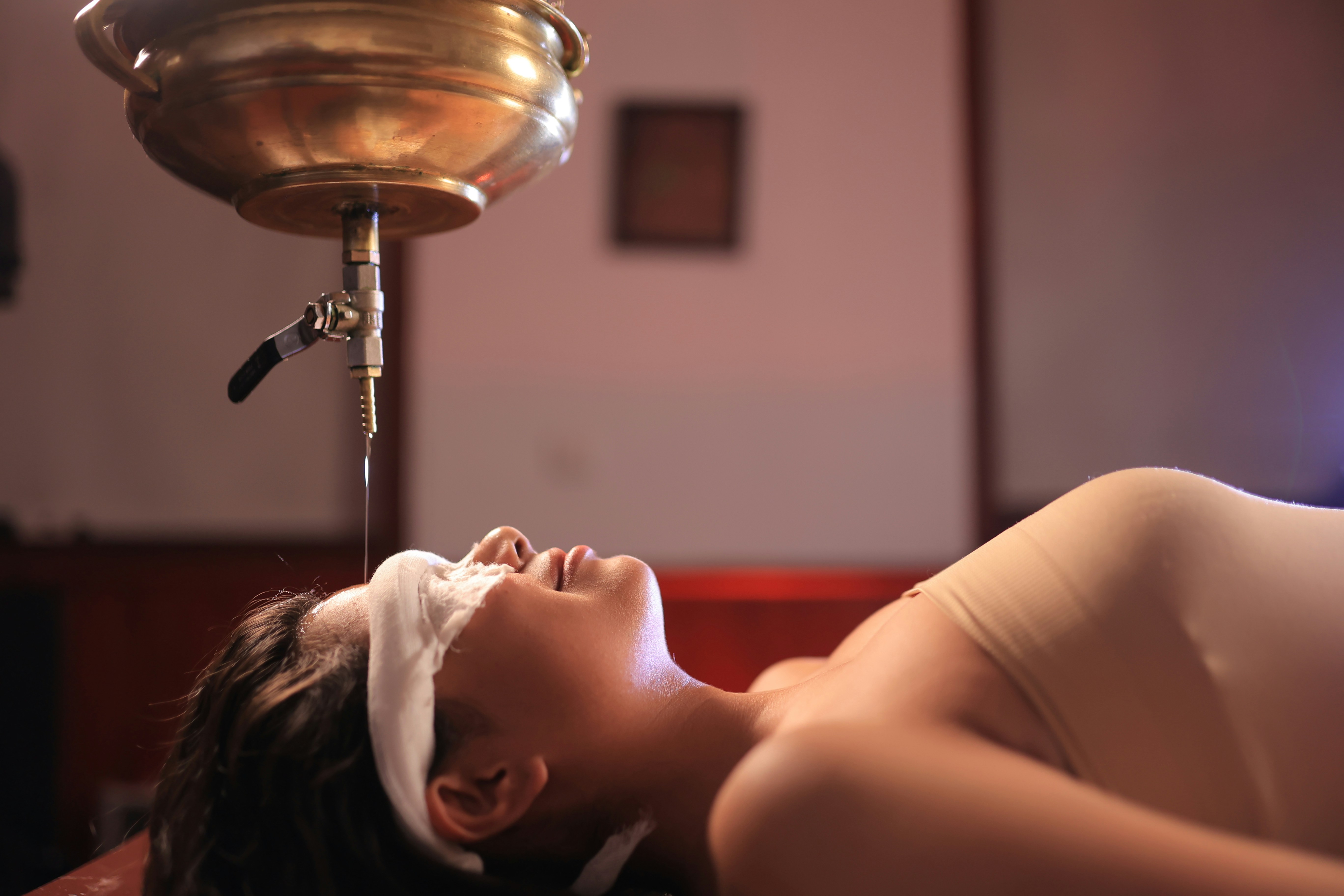
When I think of wellness in India, Ayurveda is one of the first traditions that come to my mind. Practiced in India for more than 3000 years, Ayurveda is much more than a system of therapies. The word comes from the two Sanskrit words ayur, meaning life and veda meaning knowledge or science – essentially becoming ‘the knowledge of life.’ At its heart is a simple idea – our wellbeing depends on balance. Ayurveda looks at the connection between the body, mind, spirit, lifestyle, food and environment. It focusses on maintaining health and balance rather than simply addressing problems after they arise. Understanding Ayurveda: The Five Elements and Three Doshas Ayurvedic philosophy describes nature and the human body (prakriti) through five elements – space (Aakash), air (vayu), fire (agni), water (jal) and earth (prithvi). These elements come in different combinations to form three fundamental energies, known as doshas – vata, pitta and kapha. In simple terms, vata (air and space) is associated with movement, creativity and energy. pitta (fire and water) is associated with transformation, metabolism and intensity and kapha (earth and water) is associated with stability, strength and calmness. According to Ayurveda, maintaining a balance between these energies is an important part of living well. Food as a Part of the Wellness Journey Ayurveda does not separate food from the wellness journey. What we eat, when we eat and how we eat are all considered part of a balanced lifestyle. An Ayurvedic approach to food takes an individual’s constitution into consideration. Fresh, seasonal and wholesome ingredients are generally favoured, while highly processed foods are limited. This is also where the idea of Sattvic food fits beautifully into the Ayurvedic experience – simple, nourishing meals that are intended to support clarity and balance. For me, this is the most enjoyable parts of experiencing Ayurveda in India. Wellness does not have to mean giving up the pleasure of food, instead it can introduce you to a different way of appreciating what you eat. Experiencing Ayurvedic Therapies Ayurveda is also known for its traditional therapies and treatments. Depending on the programme and individual needs, these may include oil massages, herbal therapies, Shirodhara, Nasya, Basti, Tarpanam and Panchakarma. Shirodhara involves a gentle, continuous flow of warm oil over the forehead and is traditionally used as a deeply relaxing therapy. Basti is an Ayurvedic cleansing therapy in which medicated oils or herbal preparations are administered through the rectal route. Traditionally used to support digestive health and manage concerns such as constipation, joint discomfort and lower back pain. Nasya is used for cleansing the nasal passages and support clear breathing, sinus comfort and relief from headaches. It involves the administered use of medicated oils or herbal preparations through the nostrils. Tarpanam is a traditional Ayurvedic eye-care therapy in which medicated oil or ghee is gently retained around the eyes within a dough ring. It is believed to provide a cooling, soothing effect and support overall eye comfort. Panchakarma is a more intense Ayurvedic cleansing and rejuvenating programme, traditionally involving a series of therapies undertaken under the guidance of ayurvedic practitioners. It is not simply a spa treatment and is generally tailored to the individual’s needs. The important thing to remember is that an Ayurvedic retreat is not just about a collection of treatments. This experience can also include yoga, meditation, mindful eating, rest and lifestyle practices working together to create a slower and more conscious rhythm. Over the years, the Southern Indian state of Kerala has become synonymous with Ayurveda Retreats, with the well known Somatheeram Ayurveda Health Resort dating back almost 40 years, closely followed by the Kairali Ayurvedic Healing Village. This region is now home to over 40 Resorts, ranging from the uber luxury Tulah Clinical Wellness Sanctuary, to even modest resorts, thereby catering to nearly all segments of wellness seeking travelers.