
Ayurveda In India: An Ancient Path To Wellbeing
When I think of wellness in India, Ayurveda is one of the first traditions that come to my mind. Practiced in India for more than 3000 years, Ayurveda is much more than a system of therapies. The word comes from the two Sanskrit words ayur, meaning life and veda meaning knowledge or science – essentially becoming ‘the knowledge of life.’
At its heart is a simple idea – our wellbeing depends on balance. Ayurveda looks at the connection between the body, mind, spirit, lifestyle, food and environment. It focusses on maintaining health and balance rather than simply addressing problems after they arise.
Understanding Ayurveda: The Five Elements and Three Doshas
Ayurvedic philosophy describes nature and the human body (prakriti) through five elements – space (Aakash), air (vayu), fire (agni), water (jal) and earth (prithvi). These elements come in different combinations to form three fundamental energies, known as doshas – vata, pitta and kapha.
In simple terms, vata (air and space) is associated with movement, creativity and energy. pitta (fire and water) is associated with transformation, metabolism and intensity and kapha (earth and water) is associated with stability, strength and calmness.
According to Ayurveda, maintaining a balance between these energies is an important part of living well.
Food as a Part of the Wellness Journey
Ayurveda does not separate food from the wellness journey. What we eat, when we eat and how we eat are all considered part of a balanced lifestyle.
An Ayurvedic approach to food takes an individual’s constitution into consideration. Fresh, seasonal and wholesome ingredients are generally favoured, while highly processed foods are limited. This is also where the idea of Sattvic food fits beautifully into the Ayurvedic experience – simple, nourishing meals that are intended to support clarity and balance.
For me, this is the most enjoyable parts of experiencing Ayurveda in India. Wellness does not have to mean giving up the pleasure of food, instead it can introduce you to a different way of appreciating what you eat.
Experiencing Ayurvedic Therapies
Ayurveda is also known for its traditional therapies and treatments. Depending on the programme and individual needs, these may include oil massages, herbal therapies, Shirodhara, Nasya, Basti, Tarpanam and Panchakarma.
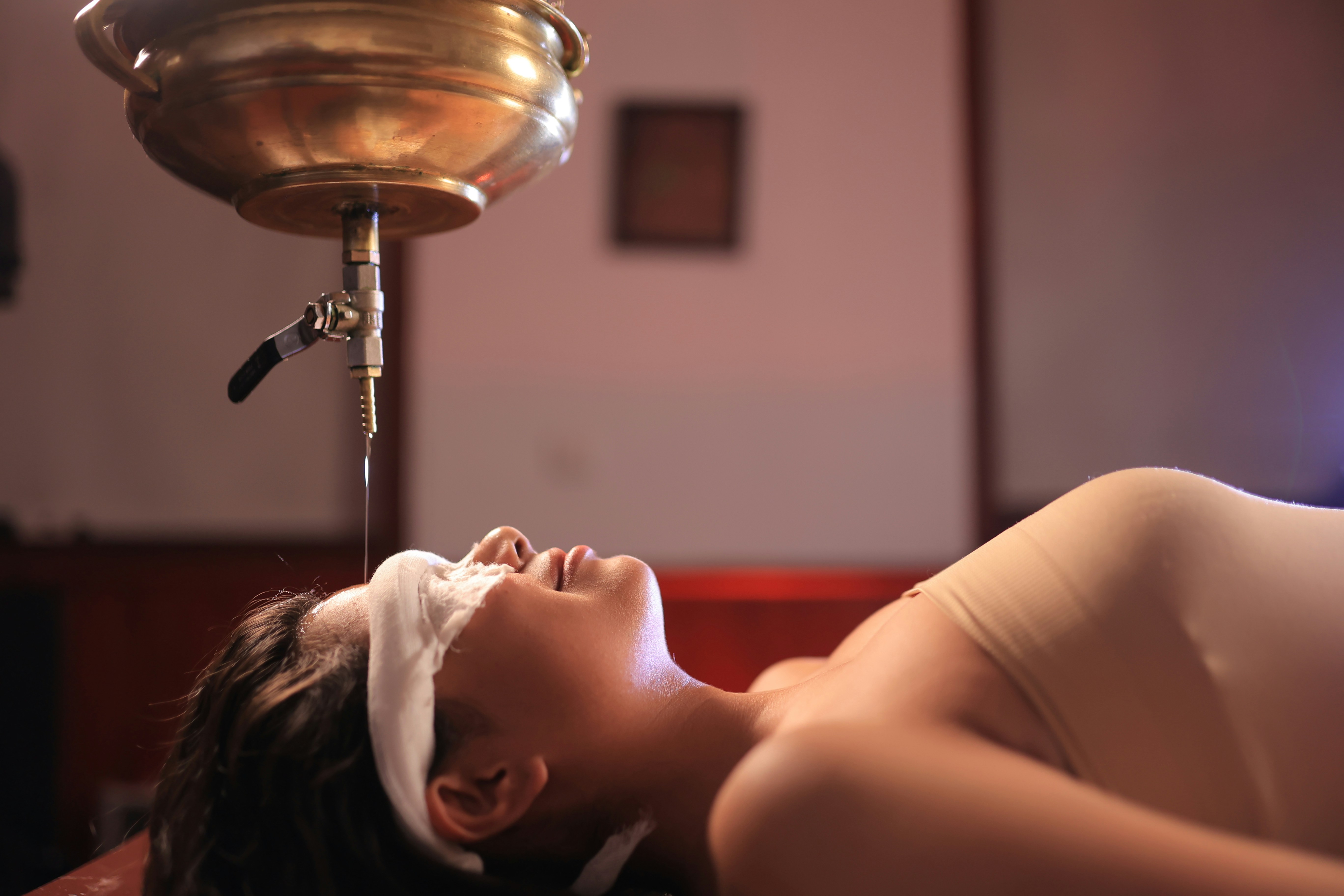
Shirodhara involves a gentle, continuous flow of warm oil over the forehead and is traditionally used as a deeply relaxing therapy.
Basti is an Ayurvedic cleansing therapy in which medicated oils or herbal preparations are administered through the rectal route. Traditionally used to support digestive health and manage concerns such as constipation, joint discomfort and lower back pain.
Nasya is used for cleansing the nasal passages and support clear breathing, sinus comfort and relief from headaches. It involves the administered use of medicated oils or herbal preparations through the nostrils.
Tarpanam is a traditional Ayurvedic eye-care therapy in which medicated oil or ghee is gently retained around the eyes within a dough ring. It is believed to provide a cooling, soothing effect and support overall eye comfort.
Panchakarma is a more intense Ayurvedic cleansing and rejuvenating programme, traditionally involving a series of therapies undertaken under the guidance of ayurvedic practitioners. It is not simply a spa treatment and is generally tailored to the individual’s needs.
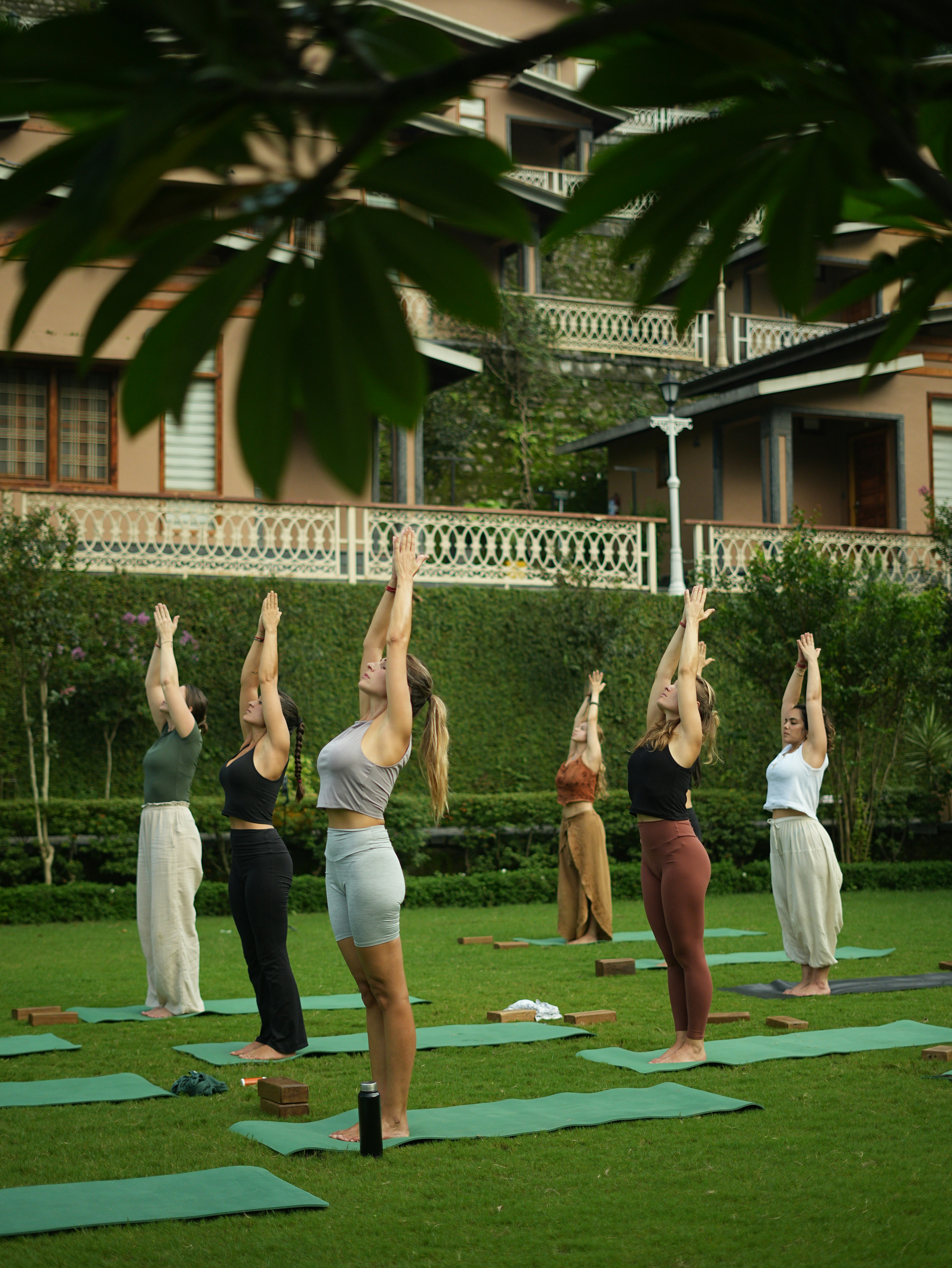
The important thing to remember is that an Ayurvedic retreat is not just about a collection of treatments. This experience can also include yoga, meditation, mindful eating, rest and lifestyle practices working together to create a slower and more conscious rhythm.
Over the years, the Southern Indian state of Kerala has become synonymous with Ayurveda Retreats, with the well known Somatheeram Ayurveda Health Resort dating back almost 40 years, closely followed by the Kairali Ayurvedic Healing Village. This region is now home to over 40 Resorts, ranging from the uber luxury Tulah Clinical Wellness Sanctuary, to even modest resorts, thereby catering to nearly all segments of wellness seeking travelers.
Daxta Pandey – September 2026
-
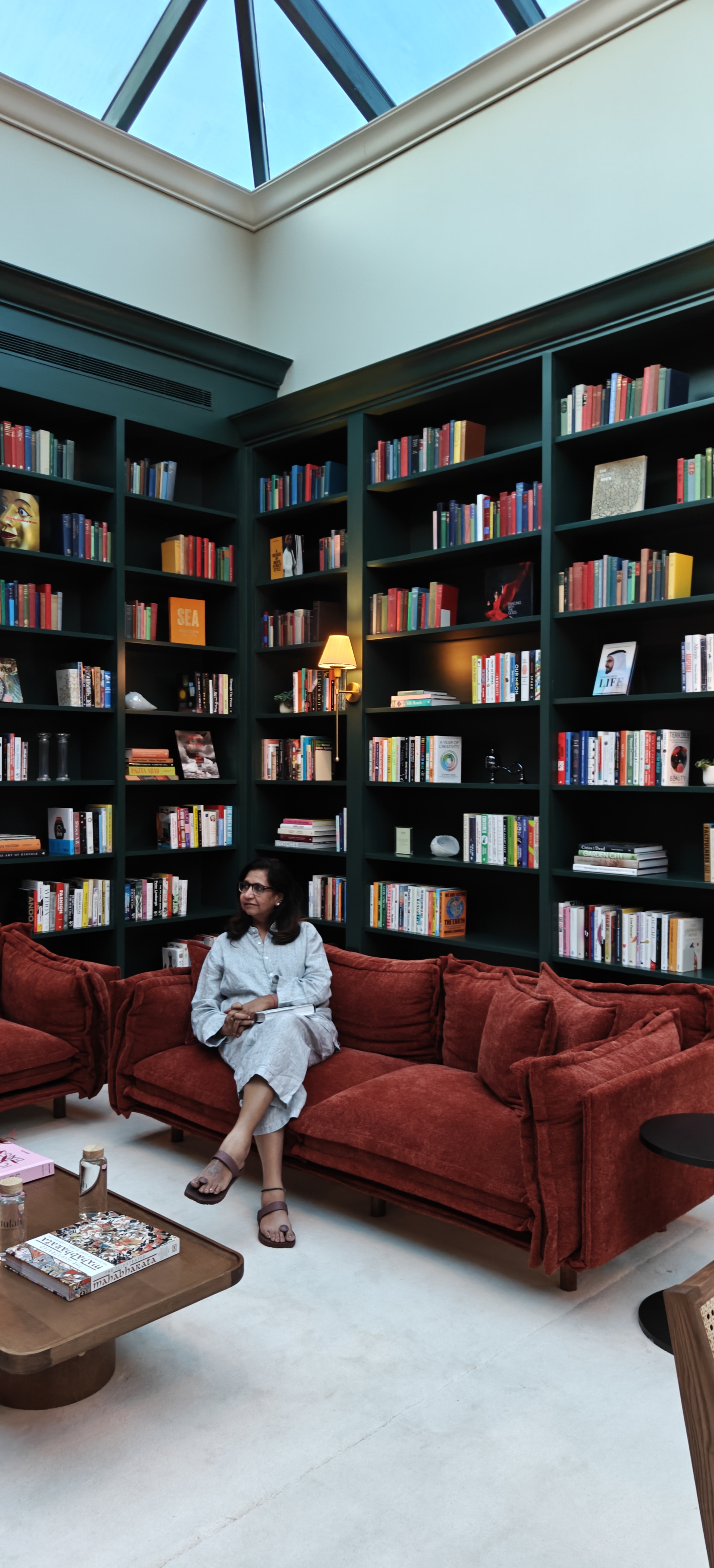
Tulah Clinical Wellness: A Distinctive Expression of Luxury, Medicine and Personalized Wellbeing -
Shreyas Retreat: An Integrated Approach to Personalized Wellness -
Amal Tamara: A Journey into Personalized Healing and Ayurvedic Wellness -

Discovering Tulah Clinical Wellness: Where Medical Science Meets the Art of Wellbeing -
Yoga in India: Go Beyond the Practice, Discover its Roots