


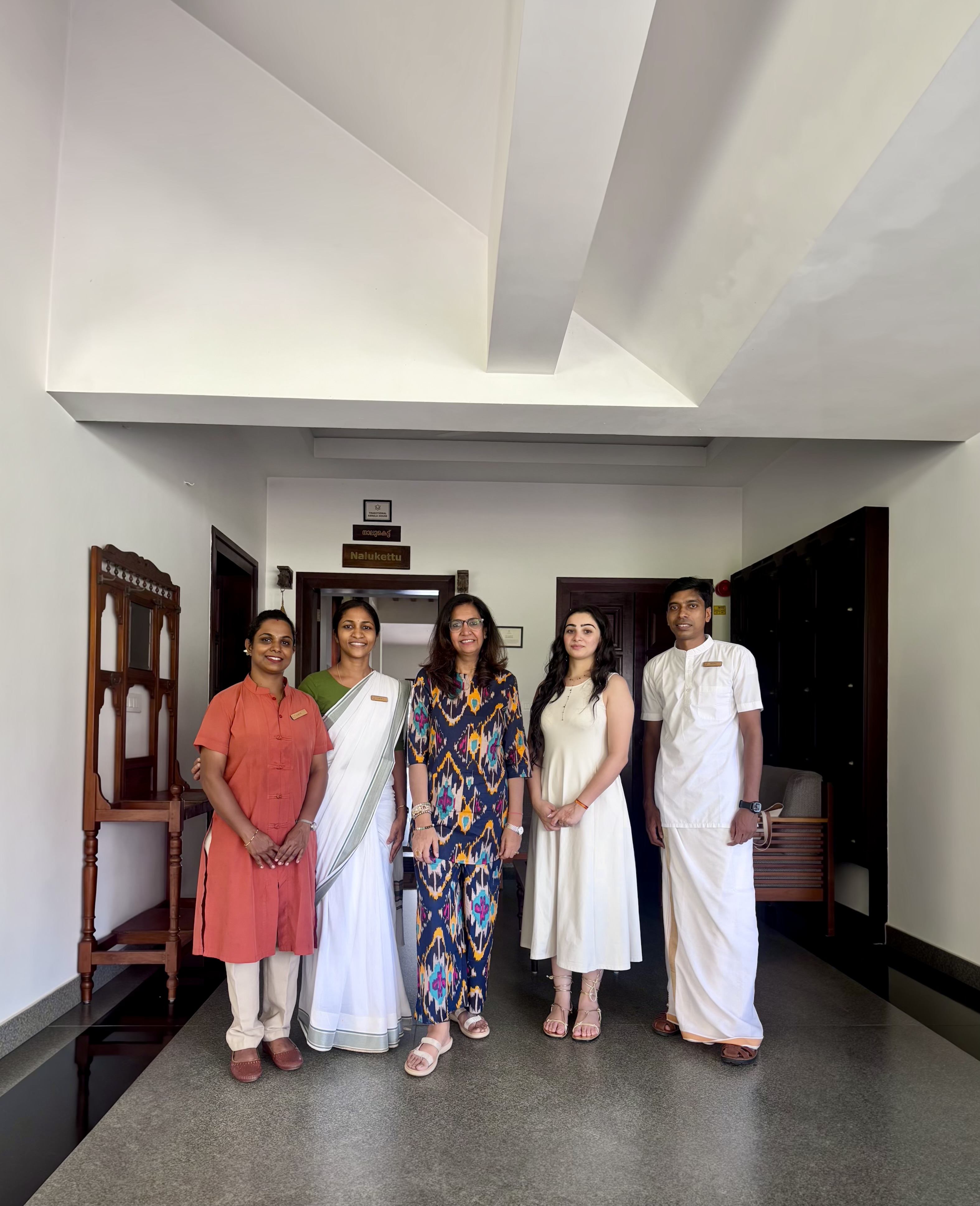
Amal Tamara: A Journey into Personalized Healing and Ayurvedic Wellness
Set in the tranquil surroundings of Alleppey, Kerala, Amal Tamara offers a structured approach to wellness rooted in traditional Ayurveda, individualized care and disciplined daily living. During my visit, what stood out was the property's commitment to creating an environment where every aspect of a guest's stay – from food and therapies to daily routines is aligned with their individual health needs. Rather than positioning wellness as a temporary escape, Amal Tamara encourages a more focused engagement with health through doctor-led programmes and traditional healing practices.
A Sanctuary Built Around Healing
One of the first things I noticed was the level of coordination behind the guest experience. Amal Tamara operates across 2 buildings, with approximately 80 staff members supporting its wellness and hospitality operations. Its facilities include 8 treatment rooms, a team of five doctors – one specializing in naturopathy and 4 in Ayurveda and 15 therapists who deliver prescribed treatments. Accommodation is offered across three categories: Aastha, Ekta, and Idha.
For me, the significance lies not simply in the facilities or the size of the team, but in how the different roles come together to support a guest's stay. Doctors, therapists, nurses, and hospitality staff each contribute to an experience designed around individual requirements, helping create a more coordinated approach to wellness.
Ayurveda at the Core of the Experience
What I found interesting about Amal Tamara's philosophy is its emphasis on individual constitution and changing health needs. Ayurvedic concepts such as Prakriti, referring to an individual's constitution; Vikriti, referring to the present state of imbalance and Ritucharya, the observance of seasonal routines, inform its approach to treatment planning, food, and daily practices.
Rather than applying an identical schedule to every guest, the retreat aims to tailor its recommendations to the individual. I see this as an important consideration for travelers exploring Ayurveda, particularly those who value consultation and personalized guidance as part of their wellness experience.
An example is the retreat's Diabetes Management Programme, developed in collaboration with Ultrahuman's continuous glucose monitoring technology. Continuous glucose monitoring can provide insights into glucose patterns and how they vary alongside meals, physical activity, sleep, and stress. In a clinically supervised setting, these observations may help inform discussions around lifestyle and dietary habits. I would, however, view this technology as a complement to appropriate medical assessment and diabetes management, rather than a replacement for either.
Traditional Formulations and Condition-Specific Programmes
Amal Tamara has an in-house laboratory for preparing Ayurvedic oils and medicines, including GMP-certified formulations, supporting its use of traditional preparations within prescribed treatment programmes.
Its specialized offerings address a range of health concerns, including musculoskeletal conditions and neurological symptoms. Programmes include Greevagraham, associated with cervical spondylosis and neck-related discomfort; Kateegraham, focused on lower-back conditions such as lumbar spondylosis and sacroiliitis; and Kampavatam, designed to provide complementary Ayurvedic care for people experiencing symptoms associated with Parkinson's disease.
Depending on the programme, care may incorporate Ayurvedic therapies, herbal formulations, Marma techniques, Panchakarma and therapeutic exercises. Such interventions should be guided by an appropriate clinical assessment, with their suitability considered alongside conventional medical care. In conditions such as Parkinson's disease, they should be understood as complementary approaches rather than substitutes for established treatment.
The retreat also offers programmes for concerns such as autoimmune conditions and infertility, for which individual assessment and appropriate specialist care remain essential.
Guests receive a minimum of 90 minutes of treatment daily, with the schedule determined by their individual programme. I see this dedicated treatment time as one of the defining features of the experience: the stay is designed around a structured wellness routine rather than an occasional spa treatment.
A Structured Stay Designed for Transformation
Amal Tamara recommends a minimum stay of 7 nights, with programmes extending to 14, 21, or 28 nights according to individual requirements and the prescribed treatment plan. The longer format allows time for guests to settle into a consistent routine of therapies, nutrition, rest, and mind-body practices.
The retreat also limits outside leisure excursions during treatment programmes, seeking to minimize disruptions to the daily schedule and maintain continuity. For guests accustomed to conventional leisure holidays, this represents a different way of travelling: the focus shifts from sightseeing and activities to dedicating time and attention to personal wellbeing.
Daily Living as Part of the Treatment Philosophy
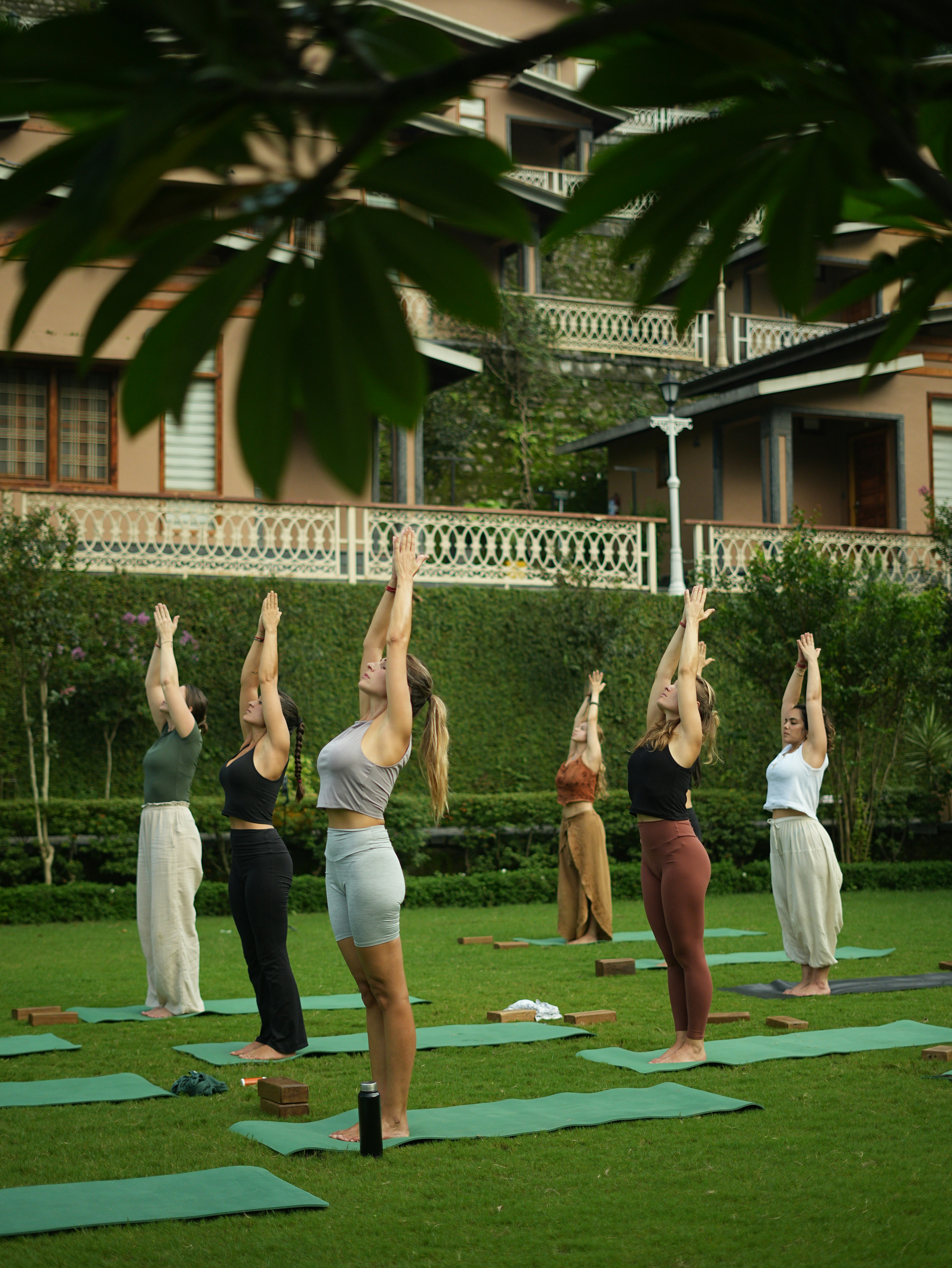
The daily routine at Amal Tamara reflects its emphasis on consistency. The day begins at 6:00 AM with a morning ritual, followed by prescribed medication administered by a nurse, morning yoga, personalized meals and scheduled therapeutic sessions. Evenings incorporate meditation, a further ritual, dinner and time for rest.
Food is tailored to individual health considerations and Ayurvedic constitution, while therapies and mind-body practices are incorporated into the wider daily schedule. From a clinical perspective, this coordinated routine highlights the importance the retreat places on the relationship between treatment, nutrition, movement, and rest. Its value lies in providing a structured environment in which these elements can be considered together.
Beyond the Stay: The Amal Yatri Community
One feature I particularly value in a wellness retreat is the attention given to guests after departure. At Amal Tamara, guests are known as Amal Yatris and receive 5 complimentary follow-up consultations, alongside continued access to doctors for advice and guidance in accordance with the retreat's follow-up arrangements.
I consider this an important part of the overall experience. A wellness stay can introduce new routines and recommendations, but incorporating them into everyday life often requires ongoing reflection and support. Follow-up consultations provide an opportunity to discuss questions, review progress, and seek further guidance where appropriate.
A More Purposeful Approach to Wellness Travel
My visit to Amal Tamara offered a glimpse into a model of wellness hospitality – from dosha-informed meals and doctor-led treatment plans to an environment designed to minimize outside distractions, the
At Amal Tamara, the journey is not simply about stepping away from everyday life. It is about creating the space, structure and support to approach health more intentionally and carrying that awareness forward long after the stay has ended.
Who Is Amal Tamara Best Suited For?
Based on my understanding of its approach, Amal Tamara is best suited to travelers who want a structured, Ayurveda-led wellness experience and are prepared to dedicate at least a week to therapies, personalized meals, rest, and daily routines. It may particularly appeal to those seeking a quieter environment in which to focus on their wellbeing, explore traditional healing practices, and receive individual guidance rather than follow a generic wellness schedule.
I would recommend it to guests who are open to a disciplined approach and understand that meaningful lifestyle changes require time, consistency, and realistic expectations. Those managing ongoing medical conditions should discuss their plans with their treating physician and ensure that any retreat programme complements their established care.
For travelers hoping for a complete reset from the pace of everyday life, Amal Tamara offers an opportunity to pause and focus on personal wellbeing. I would approach it not as a promise of disease reversal, but as a setting in which traditional therapies, attentive guidance, and structured daily living can form part of a more considered approach to health.
Dr. Anjali Varshney – October 2026
-
Tulah Clinical Wellness: A Distinctive Expression of Luxury, Medicine and Personalized Wellbeing -
Shreyas Retreat: An Integrated Approach to Personalized Wellness -
Amal Tamara: A Journey into Personalized Healing and Ayurvedic Wellness -
Discovering Tulah Clinical Wellness: Where Medical Science Meets the Art of Wellbeing -
Yoga in India: Go Beyond the Practice, Discover its Roots